Mammograms with breast implants and after breast surgery
Having breast implants or previous breast surgery does not mean you should skip breast screening. A mammogram with breast implants is safe when the radiographer knows about them, and ultrasound or MRI can be added when needed.
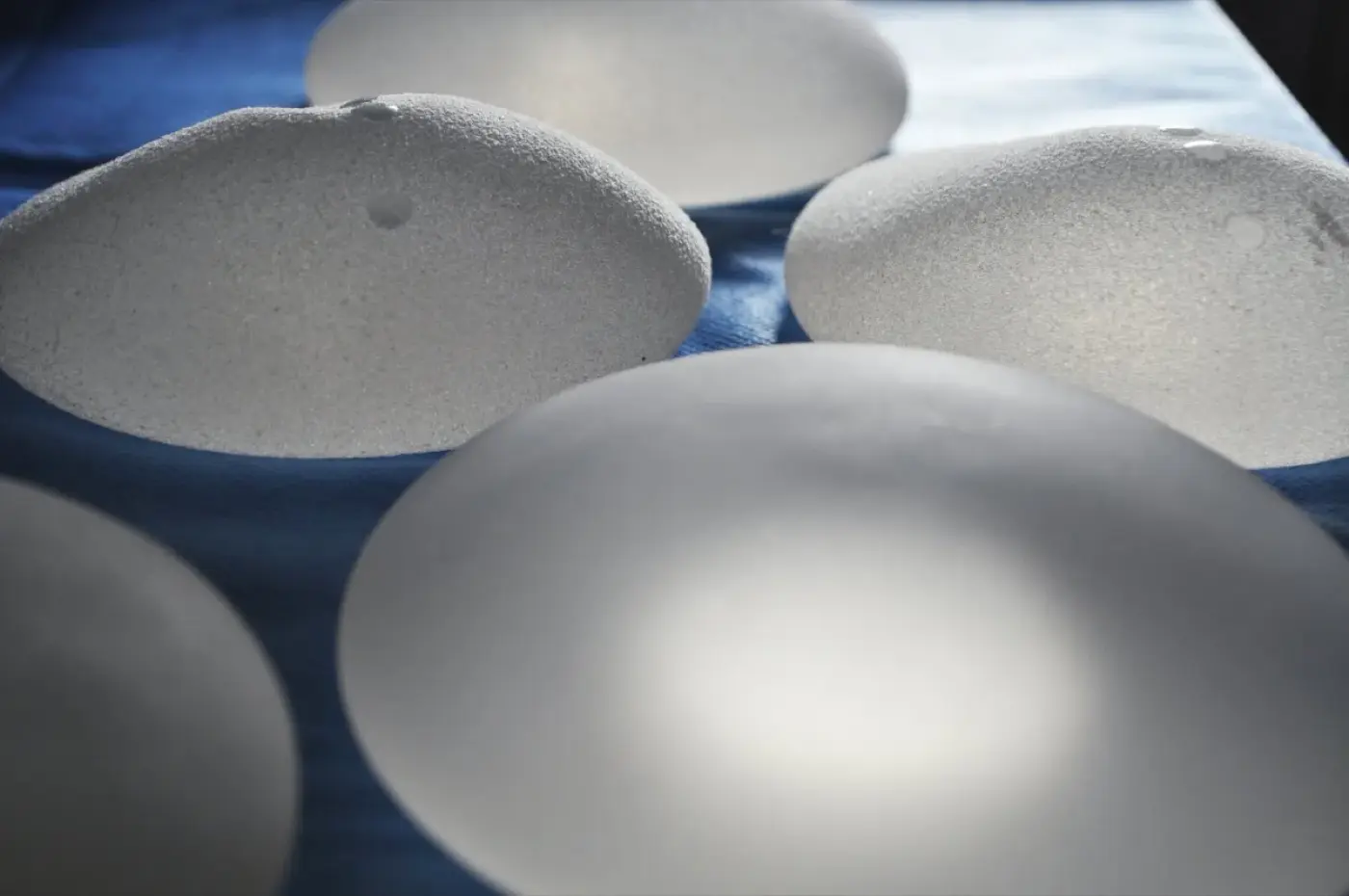
Can you have a mammogram with breast implants?
Yes. Women with implants are invited to screening in the same way as other women and should attend. A mammogram with breast implants needs a slightly different technique: the radiographer takes the standard views and, where possible, additional "implant displacement" views (often called Eklund views), in which the implant is gently pushed back against the chest wall and the breast tissue is pulled forward. This shows more of the breast tissue that the implant would otherwise hide.
Implants can obscure part of the breast on a mammogram, especially when they are placed over the muscle. That is why the extra views – and sometimes ultrasound – matter. Implant placement is explained in our breast implant guide and on the breast augmentation page.
Is a mammogram safe for implants?
Compression during mammography is applied carefully, and the risk of damaging a modern implant is very low. An old implant that is already weakened may rarely rupture, and a hard capsule (capsular contracture) can make compression uncomfortable and limit the views that can be taken. If compression is too painful, tell the radiographer; they can adjust it or recommend another test.
Some screening services ask women with implants to sign a short consent form before the examination. This is routine and should not put you off attending.
Ultrasound and MRI with implants
- Ultrasound is very useful for examining a lump, assessing the tissue in front of the implant, checking lymph nodes and looking for signs of rupture or fluid around the implant. It uses no radiation.
- MRI is the most accurate test for implant integrity, including "silent" ruptures of silicone implants that cause no symptoms. It is also used for screening women at very high risk of breast cancer and for some diagnostic questions.
Neither test routinely replaces mammography for screening in women of screening age; they are added when there is a specific reason. Your radiologist decides which combination is appropriate.
Screening after a breast lift or breast reduction
After a breast lift or breast reduction, the internal structure of the breast changes. Scar tissue, small areas of fat necrosis and calcifications can appear on a mammogram. Experienced radiologists recognise these patterns, but comparing with earlier images makes interpretation much easier.
Many surgeons advise women of screening age, or with a family history, to have a baseline mammogram before surgery, and a new baseline around six to twelve months afterwards once healing has settled. Tissue removed during a reduction is routinely sent to the laboratory, which is another useful check. After fat transfer to the breast, small oil cysts or calcifications may be visible; these are usually easy to distinguish from suspicious changes when the radiologist knows about the procedure.
What to tell the radiographer
- That you have implants, and whether they are silicone or saline.
- Where they are placed (over or under the muscle) and when they were inserted.
- Any previous breast surgery: lift, reduction, fat transfer, biopsies or cancer treatment.
- Any symptoms: a lump, pain, swelling, a change in shape or hardness.
- Where earlier mammograms were done, so they can be requested for comparison.
Keep your implant card or passport and your operation report. If you had surgery abroad, ask for an English copy before you leave – New City Clinic provides one with every operation.
Screening schedule
In general, women with implants or previous breast surgery follow the same screening schedule as other women: the national programme in the UK, Ireland and most European countries invites women in a certain age range every two or three years. Women with a high inherited risk follow a special programme that may include yearly MRI.
Implants themselves are not usually monitored with routine imaging if you have no symptoms, although some guidelines suggest periodic ultrasound or MRI for silicone implants after several years to look for silent rupture. Ask your surgeon what they recommend. Between screenings, stay breast aware and see your doctor about any change; our page on breast cancer symptoms explains what to look for.
Planning breast surgery around screening
If you are due a mammogram in the months before a planned operation, have it before surgery rather than after. If a screening result needs further tests, complete them first: no cosmetic operation should go ahead while a finding is unexplained. At New City Clinic, women aged around 40 and over, or with relevant risk factors, are asked for recent breast imaging before a lift with implants or augmentation, and the surgeon reviews it before confirming the plan.
How New City Clinic can help
If imaging has raised a question about your implants – a rupture, fluid or a hard capsule – New City Clinic can review your reports and images online, free of charge. The oncology team can give a second opinion on suspicious findings, and our plastic surgeons explain options such as implant revision and replacement. You can also read about implant safety, aftercare and removal on newcityclinic.com. A WhatsApp coordinator will guide you through each step.
Frequently asked questions
Should I tell the screening centre I have implants?
Yes, always – ideally when you book and again on the day. The radiographer then uses the right technique and the radiologist interprets the images correctly.
Can a mammogram burst my implant?
It is very unlikely with modern implants and careful compression. The risk is slightly higher with old or already weakened implants. Tell the radiographer if you have any concerns.
Do implants make breast cancer harder to detect?
They can hide part of the breast tissue on a mammogram, which is why displacement views and, where needed, ultrasound or MRI are used. Screening remains worthwhile.
Is MRI better than a mammogram with implants?
MRI is the best test for implant rupture and for women at very high risk, but it is not the standard screening test for everyone. Mammography remains the routine screening method.
When can I have a mammogram after breast surgery?
Usually around six months after surgery, once swelling has settled. Your surgeon may advise a new baseline mammogram at that point if you are of screening age.
Does a breast reduction make mammograms harder to read?
Scar tissue and calcifications can appear, but radiologists are familiar with them. Comparing with pre-surgery images and knowing your history makes reading easier.
New City Clinic · newcityclinic.com
Why patients choose New City Clinic for breast surgery in Turkey
- Authorised by the Ministry of HealthInternational health tourism authorisation, HealthTürkiye registration and TÜRSAB licence 17659.
- Top private hospitals in IstanbulAcıbadem, Medicana, Medipol, Medical Park and Biruni University Hospital.
- A named, experienced breast surgeonOp. Dr. Fatih Kılıç – plastic, oncology and reconstructive surgeon with 12+ years of experience.
- One fixed, all-inclusive priceSurgery, hospital, hotel, transfers and aftercare in one written quote.
- Complication insurance & ISO-certifiedInsurance in every package; ISO 9001, 27001, 10002 and 31000 processes.
Request your free assessment
Share a few photos and your questions on WhatsApp. They are seen only by the medical team.